Quick answer
- An exhaust leak fails the PA safety inspection. The rules say to reject the car if there is an exhaust leak.
- It also fails for holes, cracks, leaking seams or loose joints anywhere in the system, or for loose clamps and hangers.
- You need a working muffler with no external repair. A patched muffler fails, and so does a cutout or bypass.
- A missing or wrong catalytic converter fails, and in Bucks County a bad converter usually shows up as a check engine light that fails emissions.
- Do not wait on a leak: carbon monoxide has no smell and can build up inside the car.
In this guide
An exhaust problem is one of the easier inspection failures to see coming. The car gets louder, you may smell exhaust, or something rattles underneath. The question most people ask is whether it will actually fail, and whether a cheap fix will get them through. Here is what Pennsylvania's inspection rules say, in plain English, and what to do about it.
What the inspection rules say
The exhaust gets checked twice during a PA safety inspection: once under the hood and again from underneath the car. Under 67 Pa. Code § 175.80, the same list printed in PennDOT's Publication 45, the mechanic rejects the car if:
- There is an exhaust leak.
- The car has no muffler, or the muffler has an external repair.
- There are loose or leaking joints.
- There are holes, cracks or leaking seams anywhere in the exhaust system.
- There is a muffler cutout or similar device.
- Part of the exhaust passes through the passenger compartment.
- Parts are not held with proper clamps and hangers.
- An exposed exhaust has no adequate heat shield or protection.
- The exhaust does not discharge to the outside edge of the body, including a truck bed, or as originally designed.
The same section also rejects a floor rusted through or with openings that would let exhaust gases into the cabin or trunk, and a firewall with holes that let fumes in.
Exhaust problems at a glance
| Problem | Fails PA inspection? |
|---|---|
| Leak at a joint, gasket or flange | Yes. Loose or leaking joints are on the list. |
| Hole or crack in a pipe, or a rusted-through seam | Yes. |
| No muffler | Yes. |
| Muffler with a patch or wrap on the outside | Yes. A muffler may not show external repair. |
| Cutout, bypass or similar device | Yes. |
| Broken hanger, loose clamp, pipe hanging low | Yes. Parts must be held with proper clamps and hangers. |
| Missing heat shield on an exposed exhaust | Yes. |
| Tailpipe ends under the car instead of at the edge | Yes, unless it was designed that way. |
| Aftermarket headers or side exhaust | Allowed, if the rest of the rules are met. |
| Missing or wrong-type catalytic converter | Yes. See the catalytic converter section below. |
Based on 67 Pa. Code § 175.80 and the exhaust equipment rules in 67 Pa. Code § 175.75. The same section bans modifying the exhaust to make it louder than the state's noise limits.
Exhaust louder than usual? Your Buddy Steve's Garage finds the leak, shows you what is wrong and does PA inspections in the same shop: 1616 Street Rd, Bensalem, Monday to Friday, 8 AM to 5 PM.
Call (267) 223-7352 See our exhaust repair serviceCan you patch it with sealant or tape?
This is the most common question, and the answer depends on where the problem is.
- On the muffler: no. The rules say a muffler may not show evidence of external repair, so a wrapped or patched muffler fails even if it is quiet.
- On a pipe or joint: the rules do not name sealant or tape either way. What they check is the result: no leak, no hole, no crack, and every part held with proper clamps and hangers.
In practice, a quick patch on a rusted pipe often does not last, because the metal around it keeps rotting and the joint keeps moving with the engine. If a section is rusted enough to leak, replacing that section is usually the repair that holds up through the next year, not just the next week.
Catalytic converters and emissions
The catalytic converter is part of the exhaust, but it mostly matters for the emissions side of the inspection. Bucks County is an emissions county, so how it is checked depends on the age of the car:
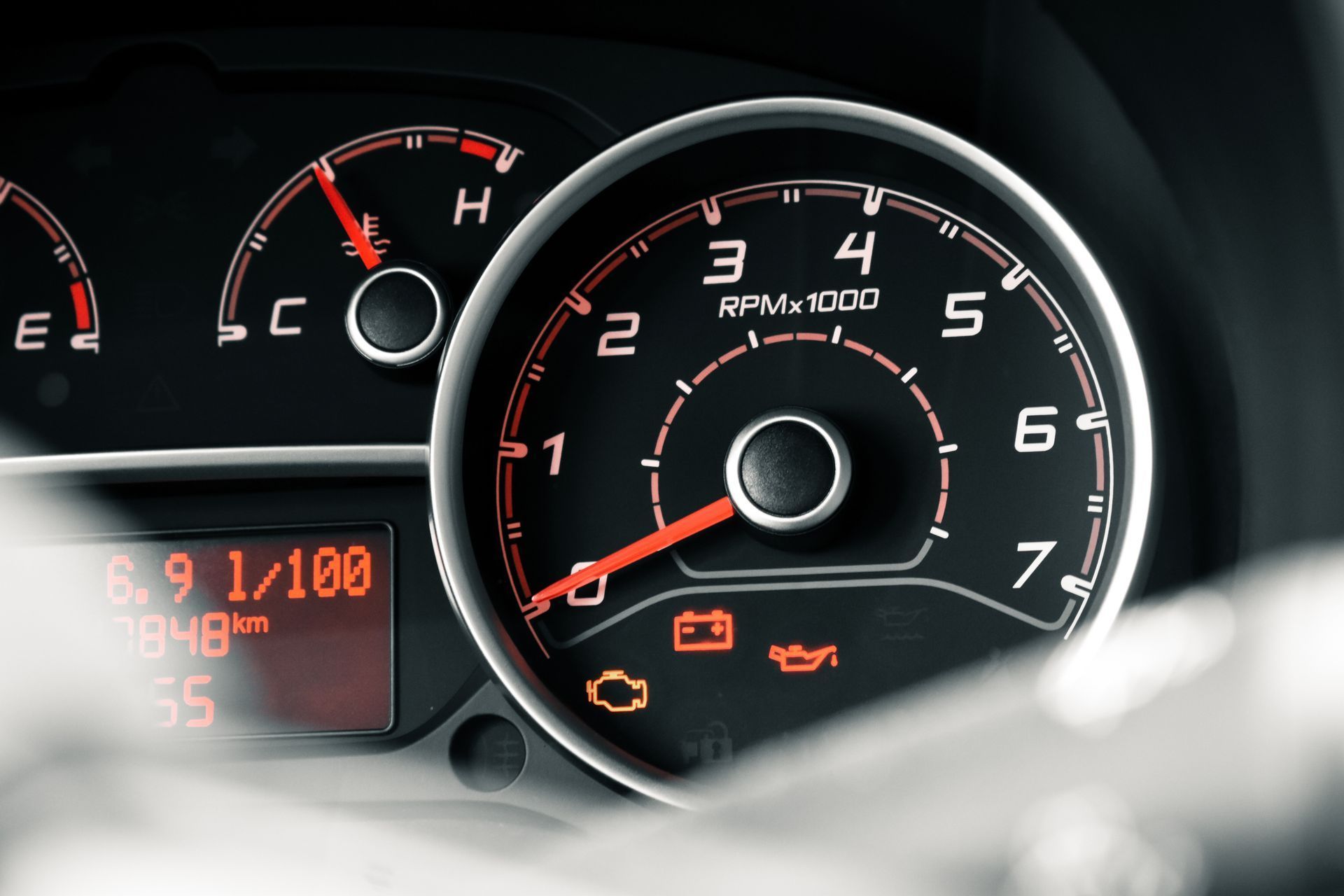
- Most 1996 and newer cars get an on-board computer check. A failing converter is one of the common reasons the check engine light comes on, and a lit light fails the test. See can you pass PA inspection with the check engine light on.
- Most 1975 to 1995 cars get a visual check. The converter has to be there, connected and the right type for the vehicle.
Removing the converter or replacing it with a straight pipe counts as tampering. The Drive Clean PA FAQ calls it a federal offense, and a car that fails the visual anti-tampering check cannot get an emissions waiver. If your converter needs replacing, make sure the new one is the correct type for your car.
Signs your exhaust is leaking
AAA lists these warning signs:
- The car is louder than usual.
- You smell fuel or exhaust inside the cabin. AAA calls this one particularly dangerous.
- Your gas mileage drops.
You may also hear a rattle underneath from a loose heat shield or a broken hanger, or see a pipe hanging lower than it should. Any of these is a good reason to have the system checked before the inspection.
Why you should not wait
An exhaust leak is not just a noise problem. The CDC says carbon monoxide is an odorless, colorless gas, and that a small leak in the exhaust system can lead to a buildup of CO inside the car. Its symptoms include headache, dizziness, weakness, upset stomach, vomiting, chest pain and confusion.
The CDC recommends having a mechanic check your exhaust system every year, and never running a car inside a garage attached to a house, even with the door open. If you feel any of those symptoms while driving, get out into fresh air.
Before your inspection
- Listen and look. Start the car cold and listen near the tailpipe and under the car for puffing, ticking or rattling.
- Check the dash. If the check engine light is on, have the code read with a diagnostic check. It may point to the converter or an oxygen sensor.
- Fix it properly. Replace the leaking section or gasket instead of wrapping the muffler. Our exhaust repair team can quote it before any work starts.
- Leave a buffer. Book the repair a few weeks before your sticker runs out, so parts and the inspection both fit in time.
For everything else the mechanic checks, see our PA inspection checklist. For due dates and prices, see the complete PA inspection and emissions guide and how much a PA inspection costs.
Want it fixed and inspected in one visit? Our ASE-certified technicians in Bensalem repair exhausts, mufflers and catalytic converters and handle the PA safety inspection and emissions test.
Call (267) 223-7352 Book inspectionFrequently asked questions
Can you pass a PA inspection with an exhaust leak?
No. Pennsylvania's inspection rules tell the mechanic to reject the car if there is an exhaust leak, including loose or leaking joints, holes, cracks or leaking seams anywhere in the exhaust system.
Do you need a muffler to pass inspection in PA?
Yes. A car fails if it has no muffler, if the muffler has an external repair, or if it has a muffler cutout or similar device.
Will exhaust tape or sealant pass inspection?
Not on the muffler, because a muffler may not show external repair. On pipes and joints, the rules check the result: no leak, hole or crack, and proper clamps and hangers. A quick patch on rusted metal often does not last, so replacing the damaged section is the safer repair.
Will a loud exhaust fail PA inspection?
A louder exhaust often means a leak, and a leak fails. State rules also forbid modifying the exhaust to make it louder than Pennsylvania's noise limits, and a cutout or bypass fails the inspection.
Will a missing catalytic converter fail inspection?
Yes. Removing the converter or replacing it with a straight pipe counts as tampering. Older cars fail the visual anti-tampering check, which cannot be waived, and newer cars in emissions counties like Bucks usually fail with the check engine light on.
Is it safe to drive with an exhaust leak?
It is not something to put off. Carbon monoxide has no color or smell, and the CDC warns that a small exhaust leak can let it build up inside the car. If you smell exhaust in the cabin, have the system checked as soon as possible.
This guide explains Pennsylvania's inspection rules for passenger cars and light trucks in plain language. The linked regulations are the full text. Last reviewed November 2026.